
The “16 days” campaign – domestic violence
05 12 2025
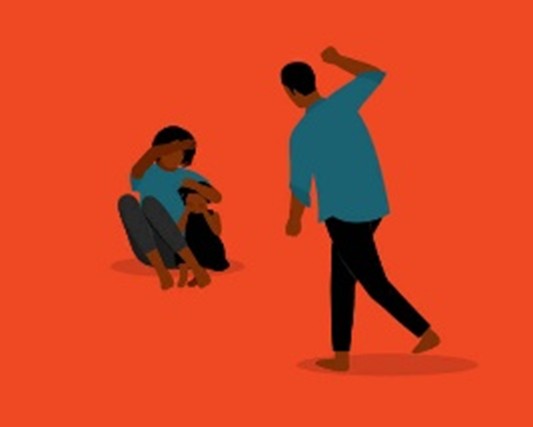
Domestic violence is one of the most hidden, yet most widespread forms of gender-based violence. It encompasses behaviour that violates a person’s freedom, dignity, health and autonomy in a place that should be a space of safety.
Approximately 27% of women worldwide have experienced physical or sexual violence by a partner in their lifetime [1]. In the European region, the figure is 20%. Domestic violence is one of the main causes of chronic health problems in women, including depression and anxiety disorders [2].
However, domestic violence does not only affect women – LGBT+ people experience partner violence more often than heterosexuals, nearly 40% report experiencing violence from a loved one [3], and children and dependents are particularly vulnerable due to their position of dependency and the barrier to reporting violence. It is assumed that up to one billion children, which is almost 50% of children worldwide, experience various forms of violence in their immediate environment [4].
In 2023, an amendment to the Law on Prevention of Domestic Violence came into force in Poland, expanding the definition of domestic violence and introducing new protection tools.
Thanks to the changes in the law, there is no doubt that domestic violence is not only physical violence, but also psychological, economic and sexual violence, and help is also available to people in informal relationships, former partners and cohabitating partners. Once domestic violence has been identified, the police can issue an immediate order to leave the home and a restraining order, even without a court decision.
In situations of domestic violence, the provisions of the Criminal Code also apply, including Article 207 of the Criminal Code (mental or physical abuse), Article 197 of the Criminal Code (rape), Article 191 of the Criminal Code (coercion) and others.
Domestic violence is not a “private matter”. It is a serious violation of human dignity and rights. It strikes at the most basic aspects of safety and health, and its effects extend throughout society. Speaking out about it, educating, responding and supporting those experiencing violence are key actions through which we can build a culture of safety and equality.
————————————————————–
We would like to remind you of reliable sources of information and places where you can find help:
Feminoteka Foundation supporting women experiencing violence, providing free legal, psychological and therapeutic assistance
Feminoteka Foundation women’s helpline 888 88 33 88 free, confidential and professional help offered by Feminoteka Foundation experts to women who have experienced violence
Women’s Rights Centre support for women whose rights are violated, in particular women experiencing violence, free psychological, legal and social assistance, civic and professional advice
Blue line number 800 120 002 free and confidential support of the Polish National Referral Service for Victims of Family Violence “Blue Line”.
Help map – an interactive map of Poland, containing information about places where women can obtain legal, psychological, social support or accommodation, created by the Czas Kobiet Foundation
Information on support institutions at the University of Warsaw can be found here.
—————————————————————–
[1] World Health Organization, Violence Against Women Prevalence Estimates, 2018.
[2] World Health Organization, Lifetime toll: 840 million women faced partner or sexual violence, 2019.
[3] European Union Agency for Fundamental Rights, A long way to go for LGBTI equality: survey report, 2020.
[4] Unicef, A Familiar Face: Violence in the lives of children and adolescents, 2017.
[5] Act of 29 July 2005 on the prevention of domestic violence Law Journal 2005 no. 180 item 1493 as amended.
[6] Act of 6 June 1997 – Penal Code, Law Journal 1997 no. 88 item 553 as amended.